


LT1/LT4 PCV system ???


Administrator
Joined: Nov 1998
Posts: 71,110
From: Hell was full so they sent me to NJ
The entire system consists of:
1 - a vent hose that supplies filtered/MAF metered (obviously not MAF metered it you have a 93) air from a port in front of the throttle body blades, to a baffled connection on the passenger side valve cover - this line supplies the fresh air to sweep the combustion gasses from the crankcase.
2 - a PCV valve with the inlet end inserted into a grommet on the driver's side of the intake manifold, and pulling the vent air and combustion gasses through slots in the sheet metal pan covering the bottom of the intake manifold, up through a passage cast into the driver's side of the intake manifold to the PCV valve. The passage is totally isolated from the intake plenum.
3 - A vacuum connection that connects to the outlet end of the PCV valve, and provides the motive force to pull the air and combustion gasses through the crankcase. In the 93/94 engines, this vacuum is provided by a short U-shaped hose that curves backward from the PCV valve a couple inches to a vacuum port exposed to the intkae manifold plenum. On the 95 and newer engines, the vacuum is provided by a longer hose that runs to the front of the intake manfiold and connects to a small port in the manifold, under the throttle body.
They problem that often occurs is that with excess blowby, or with low intake manifold vacuum (e.g. "WOT") the system can not remove all the blowby, and the pressure starts to build, causing the combustion gasses to vent out the passenger side head, back through the vent hose, to the top of the throttle body, entraining oil droplets and flooding the chamber on top of the throttle body, eventually dripping down into the airstream entering the throttle blades.
You need to add a "signature" with basic info about your car - year, model, engine, trans and any major mods. In this case, not all years of the LT1 are the same, and knowing the year makes it easier to provide the accurate answer.
1 - a vent hose that supplies filtered/MAF metered (obviously not MAF metered it you have a 93) air from a port in front of the throttle body blades, to a baffled connection on the passenger side valve cover - this line supplies the fresh air to sweep the combustion gasses from the crankcase.
2 - a PCV valve with the inlet end inserted into a grommet on the driver's side of the intake manifold, and pulling the vent air and combustion gasses through slots in the sheet metal pan covering the bottom of the intake manifold, up through a passage cast into the driver's side of the intake manifold to the PCV valve. The passage is totally isolated from the intake plenum.
3 - A vacuum connection that connects to the outlet end of the PCV valve, and provides the motive force to pull the air and combustion gasses through the crankcase. In the 93/94 engines, this vacuum is provided by a short U-shaped hose that curves backward from the PCV valve a couple inches to a vacuum port exposed to the intkae manifold plenum. On the 95 and newer engines, the vacuum is provided by a longer hose that runs to the front of the intake manfiold and connects to a small port in the manifold, under the throttle body.
They problem that often occurs is that with excess blowby, or with low intake manifold vacuum (e.g. "WOT") the system can not remove all the blowby, and the pressure starts to build, causing the combustion gasses to vent out the passenger side head, back through the vent hose, to the top of the throttle body, entraining oil droplets and flooding the chamber on top of the throttle body, eventually dripping down into the airstream entering the throttle blades.
You need to add a "signature" with basic info about your car - year, model, engine, trans and any major mods. In this case, not all years of the LT1 are the same, and knowing the year makes it easier to provide the accurate answer.
Administrator
Joined: Nov 1998
Posts: 71,110
From: Hell was full so they sent me to NJ
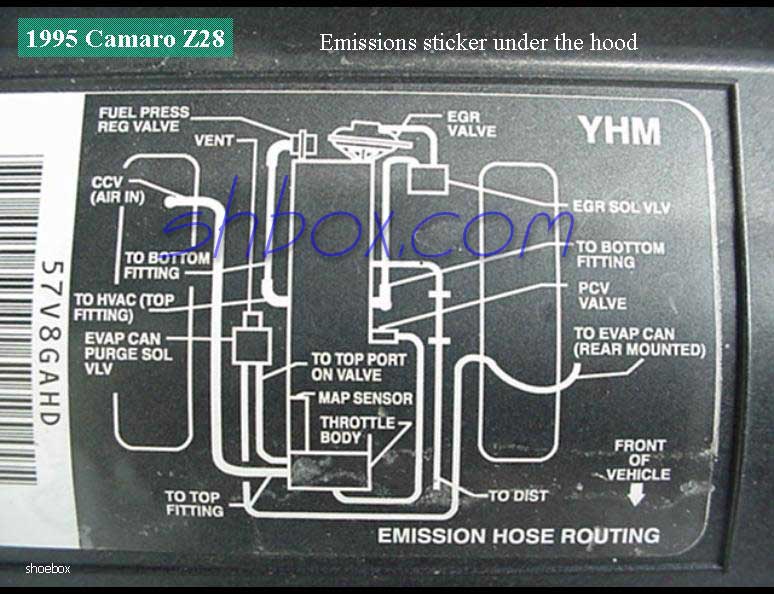
Apparently my description wasn't clear enough.
Shoebox had a photo of the 95-97 PCV valve and the vacuum line:
http://shbox.com/1/pcv_pipe.jpg
The vent line is just a big hose that runs from a nipple on the passenger side of the throttle body to a rubber grommet toward the rear of the valve cover. Its fairly clear in this photo:
http://www.injuneer.com/images/photo.../DCP04255a.jpg
Not sure what kind of "diagram" you need. You now have a picture of all the components (ASSuming you have a 95-97, which appears to be info you don't want to share )
)
Shoebox had a photo of the 95-97 PCV valve and the vacuum line:
http://shbox.com/1/pcv_pipe.jpg
The vent line is just a big hose that runs from a nipple on the passenger side of the throttle body to a rubber grommet toward the rear of the valve cover. Its fairly clear in this photo:
http://www.injuneer.com/images/photo.../DCP04255a.jpg
Not sure what kind of "diagram" you need. You now have a picture of all the components (ASSuming you have a 95-97, which appears to be info you don't want to share
)


Thread Starter
Registered User
Joined: Dec 2000
Posts: 140
From: shirley,ny,usa
great! Thank you Fred & Mikegyver,
OK on a LT1 is there any issues on the PCV valve side sucking in to much oil into the intake?
Also on a supercharged LT1 how much oil gets sucked down into the superchargers intake?
are u guys running catch cans?
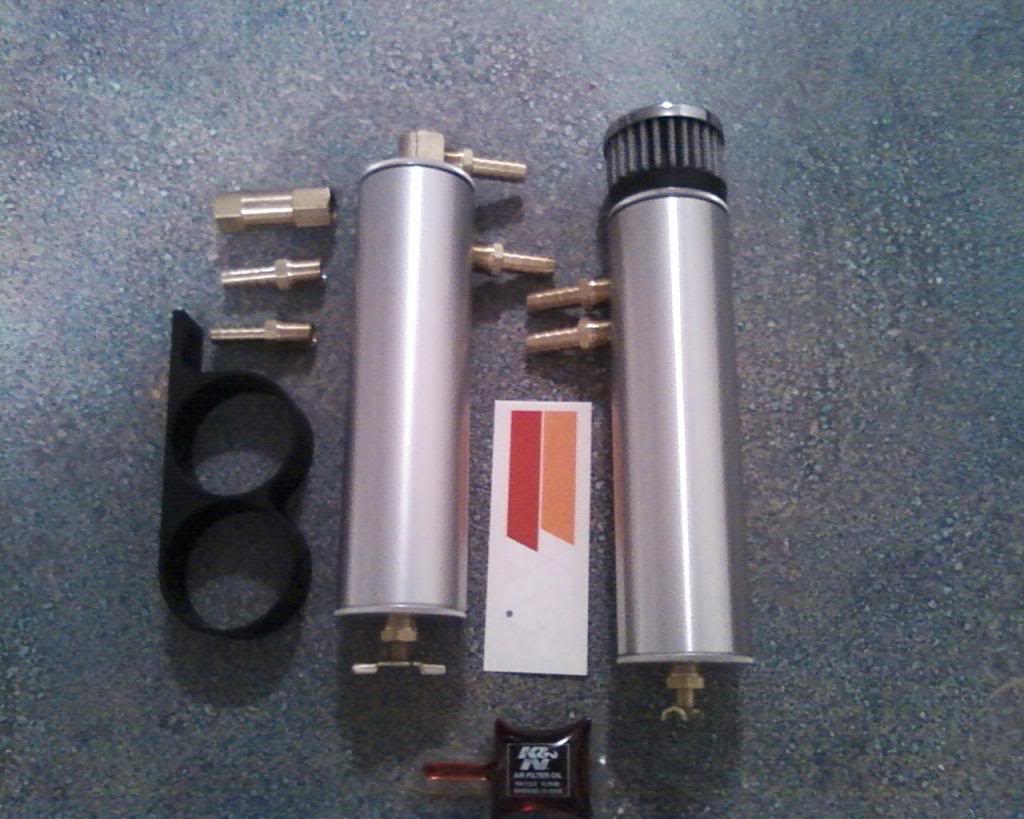
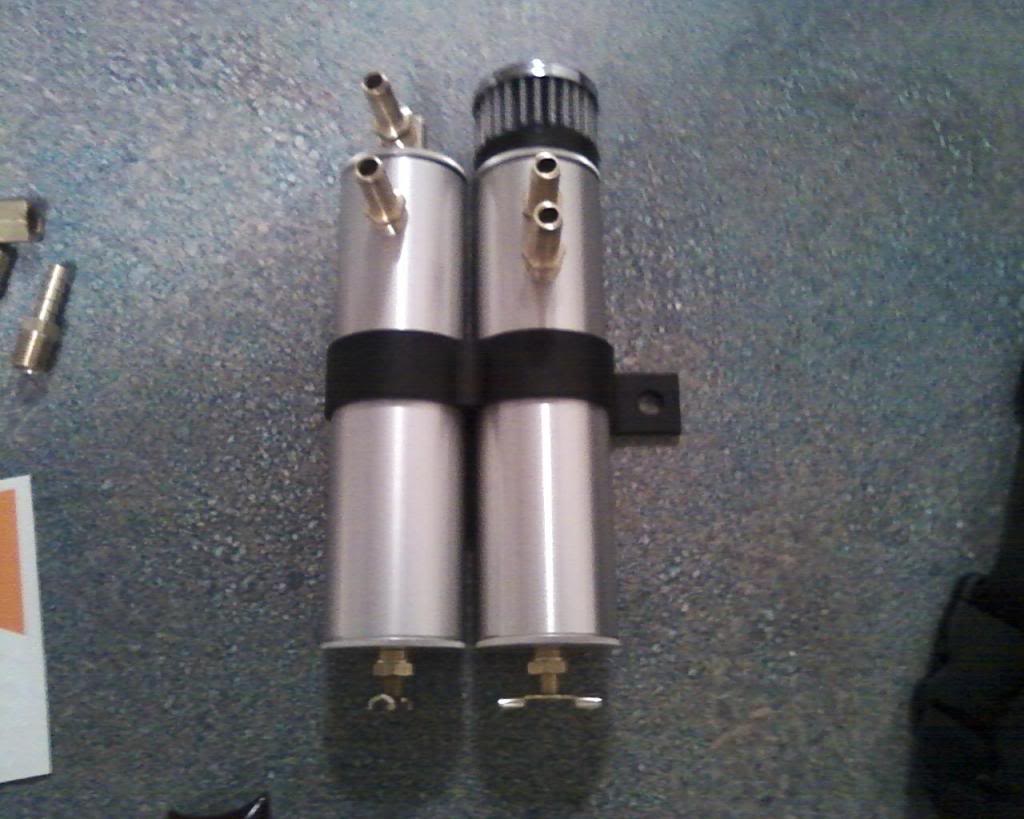
and anyone running a veanted breather can , i have one but it has two 3/8's barbs inputs so i would have to install a fitting on the drivers valve cover too so i can vent/purge both sides of the engine.
OK on a LT1 is there any issues on the PCV valve side sucking in to much oil into the intake?
Also on a supercharged LT1 how much oil gets sucked down into the superchargers intake?
are u guys running catch cans?
and anyone running a veanted breather can , i have one but it has two 3/8's barbs inputs so i would have to install a fitting on the drivers valve cover too so i can vent/purge both sides of the engine.
Administrator
Joined: Nov 1998
Posts: 71,110
From: Hell was full so they sent me to NJ
Is this a forced induction application? If so, go over it with the people on the Forced Induction forum. They deal with the issue of pressurizing the crankcase all the time. They will be a ble to tell you what it takes to keep oil out of the S/C inlet, if you are running the PCV to the suction side of the blower. You really haven't explained why you feel you need to install the catch can.
I've never seen a severe case of a normally aspirated LT1 pulling oil out through the PCV valve. The sheet metal baffle on the bottom of the intake will keep the oil out of the air stream. The big problem is high bowby, reversing flow in the vent line, and blowing oil into the throttle body - a very common problem.
Adding a breather will not affect the PCV valve. It will still pull air IN through the breather. You shouldn't have a lot of gasses venting out of thye breather if the engine is healthy (or if you don't hook up a forced induction setup correctly). But it will allow you to prevent pressure in the crankcase from blowing oil into the throttle body.
But again, all you did was ask for a diagram - you never really explained what you are trying to accomplish.
I've never seen a severe case of a normally aspirated LT1 pulling oil out through the PCV valve. The sheet metal baffle on the bottom of the intake will keep the oil out of the air stream. The big problem is high bowby, reversing flow in the vent line, and blowing oil into the throttle body - a very common problem.
Adding a breather will not affect the PCV valve. It will still pull air IN through the breather. You shouldn't have a lot of gasses venting out of thye breather if the engine is healthy (or if you don't hook up a forced induction setup correctly). But it will allow you to prevent pressure in the crankcase from blowing oil into the throttle body.
But again, all you did was ask for a diagram - you never really explained what you are trying to accomplish.

Thread Starter
Registered User
Joined: Dec 2000
Posts: 140
From: shirley,ny,usa
I dont know what the big deal is! I needed a diagaram of the LT1 PCV system so i could understand what my friend was asking me. My 97 SS is put away in storage till next month.
sorry i wont ask any more ?'s
sorry i wont ask any more ?'s

Thread
Thread Starter
Forum
Replies
Last Post
dbusch22
Forced Induction
6
Oct 31, 2016 11:09 AM